
Keto Diet for Beginners: A Simple Guide to Getting Started
Starting a new diet can feel confusing, especially when it comes with unfamiliar terms such as ketosis, macros, net carbs, and ketones. Fortunately, the ketogenic diet does not have to be complicated.
This Keto Diet for Beginners guide explains the basics in straightforward language, from understanding how keto works to choosing everyday foods and avoiding common beginner mistakes. Rather than trying to completely change your eating habits overnight, the goal is to understand the principles first and build a routine that you can realistically maintain.
Keto may suit some people better than others, so think of it as an eating approach rather than a guaranteed shortcut to weight loss.
What Is the Keto Diet?
The ketogenic diet is a very-low-carbohydrate, higher-fat eating pattern with a moderate amount of protein. By dramatically reducing carbohydrate intake, the diet encourages the body to shift away from relying primarily on glucose and increase its production of ketones from fat.
This metabolic state is known as nutritional ketosis. Many ketogenic approaches limit carbohydrates to roughly 20–50 grams per day, although there is no single keto formula that works for everyone.
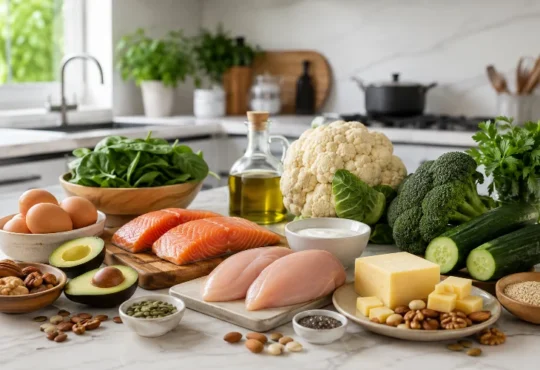
A typical keto meal might include salmon, avocado, olive oil, leafy vegetables, and a small serving of cheese. Foods such as bread, pasta, rice, sweets, and potatoes are usually heavily restricted because of their carbohydrate content.
How Does Ketosis Work?
Normally, carbohydrates are broken down into glucose, which the body can use for energy. When carbohydrate intake becomes very low, glucose availability decreases and the body begins relying more heavily on stored and dietary fat.
The liver converts some fatty acids into molecules called ketone bodies. These ketones can then provide energy for different tissues in the body.
This does not mean that entering ketosis automatically causes body fat to disappear. Weight management still depends on factors such as total energy intake, appetite, activity level, sleep, health conditions, and how consistently the eating pattern is followed.
Low-carbohydrate diets may produce greater weight loss in the short term for some people, but their advantage compared with other approaches can become smaller over longer periods.
What Should Beginners Eat on Keto?
One of the easiest ways to approach keto is to focus less on complicated recipes and more on simple whole foods.
Protein sources can include eggs, chicken, fish, seafood, beef, tofu, and unsweetened dairy products. For fats, consider foods such as avocado, olives, olive oil, nuts, seeds, and fatty fish.
Non-starchy vegetables are particularly useful because they add variety, nutrients, and fibre without contributing large amounts of carbohydrates. Think spinach, lettuce, cauliflower, broccoli, cucumber, courgette, mushrooms, and cabbage.
Try not to interpret keto as permission to eat unlimited butter, bacon, processed meat, and cheese. Health organisations generally recommend favouring unsaturated fats, including plant oils, nuts, seeds, and fish, while limiting excessive saturated fat.
Foods Commonly Limited on Keto
The biggest adjustment for beginners is usually reducing high-carbohydrate foods.
Bread, rice, noodles, pasta, breakfast cereals, pastries, sweets, sugary drinks, potatoes, and many snack foods can quickly use up a ketogenic carbohydrate allowance. Most traditional keto plans also restrict many fruits, beans, legumes, and grains.
However, you do not need to become obsessed with every gram on your first day. Start by reading nutrition labels and paying attention to serving sizes, added sugars, and total carbohydrates.
You may discover that sauces, flavoured yoghurt, salad dressings, coffee drinks, and supposedly “healthy” snacks contain more carbohydrates than expected.
A Simple Keto Meal Plan for Beginners
Keeping your first few days simple can make the transition easier.
Breakfast
Try scrambled eggs with spinach and avocado. Coffee or tea can be enjoyed without added sugar.
Lunch
A grilled chicken salad with leafy greens, cucumber, avocado, olives, and an olive-oil-based dressing provides protein, vegetables, and healthy fats without requiring complicated preparation.
Dinner
Baked salmon with roasted cauliflower and broccoli is another straightforward option. A little olive oil, herbs, lemon, and seasoning can add plenty of flavour.
If you need a snack, options might include a small handful of nuts, a boiled egg, cucumber with a low-sugar dip, or a modest portion of cheese.
The important point is consistency. You are more likely to maintain an eating pattern built around foods you genuinely enjoy than one filled with elaborate “keto hacks” you cannot imagine eating six months from now. NIDDK similarly notes that sustainable eating patterns should be enjoyable enough to maintain over time.
What Is the “Keto Flu”?
Some beginners notice unpleasant symptoms after sharply reducing carbohydrates. Commonly reported issues include headaches, tiredness, weakness, constipation, muscle cramps, bad breath, and other flu-like symptoms.
These temporary symptoms are often informally called the keto flu, although it is not an actual influenza infection.
A dramatic change in food choices can also affect fluid intake, digestion, and fibre consumption. Staying hydrated and continuing to eat nutrient-rich vegetables can help support a more balanced transition.
Persistent or severe symptoms should not simply be blamed on “keto flu.” Stop and seek medical advice if you feel seriously unwell.
Common Keto Diet Mistakes to Avoid
A frequent beginner mistake is focusing entirely on carbohydrates while ignoring overall food quality. A low-carb packaged snack is not automatically more nutritious than a minimally processed food.
Another mistake is assuming more fat is always better. Keto is higher in fat than most conventional diets, but adding large amounts of butter, cream, or oil to everything can dramatically increase calorie intake.
Fibre is another consideration. Cutting out grains, beans, and many fruits without replacing them with low-carbohydrate vegetables, seeds, nuts, and other fibre-containing foods may contribute to constipation.
Finally, do not expect identical results from everyone. Individual responses to diets can vary considerably, and long-term adherence is often more important than chasing the theoretically “perfect” macronutrient ratio.
Is Keto Safe for Everyone?
No eating pattern is ideal for every person, and keto requires extra caution in certain situations.
People taking insulin or glucose-lowering medicines may need medication adjustments when carbohydrate intake changes significantly. The ketogenic diet can also be inappropriate for people with certain liver, pancreatic, metabolic, or other medical conditions. Pregnancy and a history of eating disorders are additional reasons to seek professional guidance rather than starting a strict ketogenic plan independently.
Anyone managing diabetes, kidney problems, cardiovascular disease, or prescription medication should discuss major dietary changes with a qualified healthcare professional or registered dietitian.
The Keto Diet for Beginners becomes much easier when you focus on the fundamentals: reduce high-carbohydrate foods, choose nutritious sources of protein and fat, eat plenty of suitable vegetables, and create meals you can realistically maintain.
You do not need expensive keto products or complicated recipes to get started. Simple foods and consistent habits are usually a better foundation.
Most importantly, pay attention to how your body responds rather than treating ketosis as the only measure of success.