
Mobile Slots Explained: Why More Players Choose Smartphone Gaming
Mobile phones have changed the way people consume almost every kind of digital entertainment. Movies, music, social media, shopping, and gaming can all be accessed through the same device, so it is hardly surprising that casino-style games have followed the same direction.
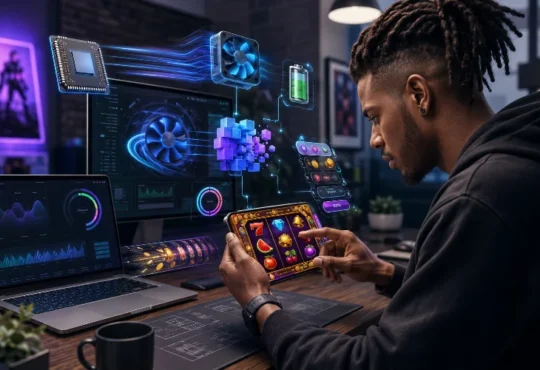
Mobile Slots benefit especially from this trend because their basic format works well on compact touchscreens and does not require a complicated keyboard or controller setup.
The broader gaming industry demonstrates the scale of mobile entertainment. Newzoo estimated approximately 3.6 billion players across the global games market in 2025, while mobile remained a major part of that ecosystem. Sensor Tower also reported renewed growth in mobile gaming engagement during 2024.
Several technological changes have helped make this possible.
HTML5 Changed Browser-Based Gaming
One important development has been the evolution of modern browser technology.
Web games can now use standardized technologies and APIs instead of depending on outdated browser plug-ins. MDN maintains extensive documentation specifically for developers creating games using modern web technologies.
For players, the practical result is simple: many compatible games can run directly inside a mobile browser.
That reduces the need for a separate application for every gaming experience and makes moving between phone, tablet, and computer considerably easier.
Mobile-First Design Creates Better Interfaces
Developers increasingly think about smartphones from the beginning rather than treating them as an afterthought.
Responsive web design allows a single interface to change according to screen size and device capabilities. Elements can be resized, repositioned, or hidden inside menus when space becomes limited.
For a slot game, that might mean placing the main spin control beneath the reels on a vertical phone while displaying additional menus beside them on desktop.
A well-designed mobile interface should feel intentionally created for touch—not simply compressed.
Faster Mobile Networks Improve Accessibility
Online games need dependable connectivity to communicate with remote systems.
Modern Wi-Fi and cellular networks have made that connection much easier to maintain. GSMA’s 2026 Mobile Economy report highlights the continued global expansion of 5G and the broader development of mobile connectivity.
Faster networks do not affect the mathematical odds of a regulated slot game, but they can influence user experience through loading times and connection stability.
For browser gaming, fewer interruptions generally make mobile access feel more practical.
Slot Design Fits Touchscreens Naturally
Some game genres require many buttons, precise aiming, or complex keyboard controls. Slots have a much simpler interaction model.
Main actions can often be managed through a handful of clearly displayed touchscreen controls. That makes the format relatively easy to adapt to phones.
Responsive web standards allow developers to optimise layouts for different device dimensions, while progressive web technologies can provide app-like experiences from web-based software.
The simplicity of the core interface gives developers more room to concentrate on animations, themes, and bonus features.
Players Expect Entertainment to Be Instant
Smartphones have changed expectations around convenience.
People are accustomed to opening a streaming service, social network, or casual game almost immediately. Online gaming platforms increasingly compete for attention within that same environment.
UK Gambling Commission analysis has specifically connected the shift toward mobile gambling with wider consumer expectations for increasingly frictionless digital experiences. Its tracker research reported that 60% of surveyed online gamblers had used a phone to gamble in 2021.
The statistic is historical rather than a current global figure, but it illustrates how strongly the mobile transition was already established.
Better Smartphones Support Richer Games
Phone displays and processors have also improved.
Modern devices can handle detailed artwork, animations, sound effects, and responsive interfaces that would have been difficult to deliver on early mobile browsers.
The popularity of gaming on phones extends far beyond casino-style titles. Sensor Tower reported that mobile games generated $81 billion in consumer spending in 2024, up 4% year over year.
This large ecosystem gives developers a strong incentive to design entertainment specifically for mobile hardware.
Always Check the Game, Not Just the Device
A smoother smartphone experience does not automatically mean a better gambling product.
Players should still check licensing, game rules, RTP information where provided, account controls, and the terms applying in their jurisdiction.
Mobile access can also remove natural friction because the device is available almost constantly. That makes budgeting and session awareness especially important.
Technology should improve usability rather than encourage someone to spend more time or money than intended.
The rise of Mobile Slots reflects a much larger change in digital entertainment. Modern browser technology, responsive interfaces, better smartphones, faster connectivity, and simple touchscreen controls have made it possible to deliver games almost anywhere a suitable mobile connection exists.
Their format also works naturally with short, convenient smartphone sessions.
That convenience should still be approached carefully. If you choose to play where online gambling is legal, check the game’s information first, use appropriately regulated platforms, and establish clear time and spending limits. Enjoy the technology and entertainment features, but never treat easier mobile access as a reason to chase losses or increase your gambling budget.