
How Seasonal Climate Changes Influence Facial Skin Hydration
Your moisturizer can work beautifully in July and suddenly feel useless in January. Or perhaps your skin feels comfortable outdoors during a humid summer, only to become tight after spending eight hours in an air-conditioned office.
That is not necessarily your imagination.
Temperature, relative humidity, wind, indoor heating, air conditioning, sun exposure, and changes in cleansing habits can all affect how comfortable and hydrated facial skin feels.
The connection is partly related to the skin barrier, especially the stratum corneum, which helps limit excessive water loss from the skin.
Understanding how seasonal climate changes influence facial skin hydration can therefore make skincare much easier. Instead of assuming your skin has permanently “changed type,” you can adjust your routine as the environment changes.
Research on season and transepidermal water loss, or TEWL, is more complicated than social media often suggests. A systematic review found inconsistent results across studies examining climate and season, which means temperature and humidity are only part of the story.
The practical lesson is simple: watch how your skin responds to its environment and adjust accordingly.
What Climate Actually Does to Skin Hydration
The outer layer of your skin acts as a protective barrier between your body and the environment.
Water naturally moves through this barrier and evaporates from the surface. This process is called transepidermal water loss. TEWL is widely used in dermatology research as one measurement related to skin barrier integrity.
When skin struggles to retain enough water, it may begin feeling tight, rough, flaky, or uncomfortable.
Low humidity, wind, excessive air conditioning, direct heat, frequent washing, and harsh cleansers can all contribute to dryness. DermNet specifically identifies low humidity, cool windy conditions, excessive air conditioning, and direct heat as environmental factors associated with dry skin.
However, hydration is not controlled by weather alone.
Your age, genetics, skincare products, cleansing routine, medications, underlying skin conditions, and even the area of skin being measured can influence the result.
1. Winter Usually Creates the Toughest Hydration Challenge
Cold weather gets most of the blame for winter dryness, but low humidity is just as important.
As outdoor temperatures fall, the air often contains less moisture. Indoors, heating systems can make conditions even drier.
The American Academy of Dermatology notes that cold, dry outdoor air combined with heated indoor environments can make it harder for skin to retain moisture.
This is why your face may suddenly feel tight after cleansing even though the exact same cleanser felt perfectly comfortable several months earlier.
Dryness can also make fine lines appear more obvious because dehydrated surface skin reflects light and behaves differently.
How to Adjust Your Winter Routine
You usually do not need to replace every product.
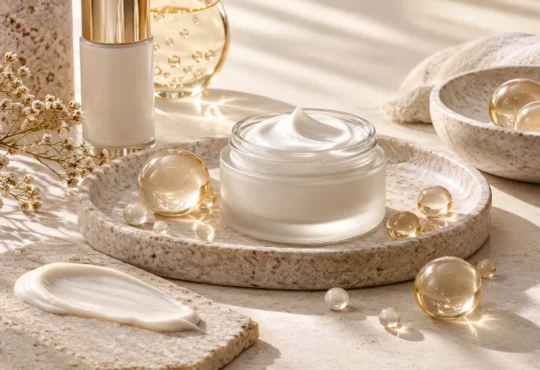
Consider switching from a lightweight lotion to a richer cream if your skin becomes dry. The AAD notes that creams and ointments generally retain moisture more effectively than lighter lotions for dry skin.
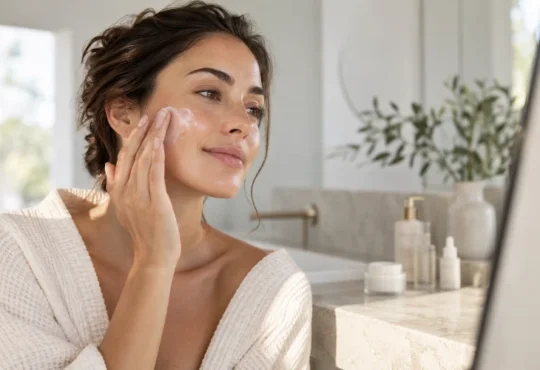
Applying moisturizer shortly after washing can also help trap existing moisture.
And if your face is becoming irritated, winter may not be the ideal time to increase exfoliation simply because you notice flakes.
2. Indoor Heating Can Be as Drying as Outdoor Weather
You can avoid cold wind by staying indoors, but your skin does not automatically escape winter conditions.
Central heating, fireplaces, fan heaters, and similar systems can lower indoor humidity. This can create a surprisingly dry environment even when your home feels warm and comfortable.
The AAD specifically identifies indoor heating as a factor that can remove moisture from the environment and contribute to dry skin.
This explains why some people wake up with dry lips and tight facial skin after sleeping in a heated bedroom.
A humidifier can be useful when indoor air becomes extremely dry. Dermatologists from both the AAD and Cleveland Clinic recommend considering a humidifier during dry winter conditions.
Just remember that a humidifier needs regular cleaning to reduce the risk of mold and microbial buildup.
Your moisturizer matters, but sometimes improving the room around your skin helps too.
3. Summer Humidity Can Make Skin Feel More Hydrated – But Also Oilier
Summer brings almost the opposite problem.
Higher environmental humidity can reduce the sensation of dryness for many people, while heat often increases sweating and can make facial skin feel oilier.
That does not necessarily mean your skin suddenly needs no moisturizer.
Sebum and sweat are not the same thing as healthy skin hydration. A shiny forehead can coexist with dehydration or barrier irritation.
You may simply need a lighter texture.
Gel moisturizers, lightweight lotions, and less occlusive formulas can feel more comfortable in warm, humid conditions than heavy winter creams.
This seasonal switch is particularly useful for combination or acne-prone skin.
The AAD emphasizes that moisturizer selection should reflect skin type and conditions, with lighter gels sometimes working better for oilier skin while richer creams suit dryness.
The goal is not to abandon hydration in summer. It is to change the delivery system.
4. Air Conditioning Can Create “Indoor Winter” in Summer
Here is where seasonal skincare becomes confusing.
Outside, it may be hot and humid. Inside your office, hotel room, shopping center, or bedroom, powerful air conditioning may create a much drier environment.
DermNet includes excessive air conditioning among environmental exposures associated with dry skin.
This can explain why someone living in a tropical climate still experiences facial tightness during summer.
If you spend most of your day in air conditioning, your skincare routine should reflect your actual daily environment, not simply the weather forecast.
A lightweight moisturizer containing humectant and barrier-supporting ingredients may be enough for humid outdoor conditions while still helping during long hours indoors.
You might also find that a slightly richer moisturizer works better at night if you sleep with strong air conditioning.
Climate exists both outside your window and inside your room.
5. Wind Can Increase the Feeling of Dryness and Irritation
Wind does more than mess up your hair.
Cool, windy weather is associated with skin dryness, and repeated exposure can leave facial skin feeling rough or irritated. DermNet lists wind alongside low humidity as a factor contributing to increased skin water loss and dryness.
Wind exposure can become particularly noticeable around the cheeks and lips.
This is why a lightweight summer moisturizer may suddenly feel inadequate during a windy autumn or winter trip.
Using a richer cream can provide more protection, especially when combined with gentle cleansing.
Avoid aggressively scrubbing away visible flakes afterward.
Those flakes may tempt you to exfoliate more often, but excessive exfoliation can remove surface lipids and worsen dryness. Cleveland Clinic specifically cautions that over-exfoliation can strip oils and moisture from already dry winter skin.
Sometimes your skin needs protection, not another acid.
6. Hot Showers and Cleansing Habits Often Change With the Season
Weather changes behavior, and behavior changes skin.
People commonly take longer, hotter showers during cold months. Unfortunately, hot water and frequent washing can remove surface oils and make dryness worse.
The AAD recommends warm rather than hot water and gentle, fragrance-free cleansers when skin is dry.
Your face deserves the same logic.
If winter dryness appears, consider whether you are cleansing more aggressively, using hotter water, or exfoliating more because the skin looks dull.
Sometimes changing the routine is more effective than buying another serum.
Use lukewarm water, avoid scrubbing, and apply moisturizer while the skin is still slightly damp.
Small changes performed consistantly usually outperform dramatic seasonal skincare overhauls.
7. Your Moisturizer Texture Should Change Before Your Entire Routine Does
One of the easiest seasonal adjustments is simply changing moisturizer texture.
During humid weather, a gel or lightweight lotion may provide enough hydration without feeling greasy.
When humidity falls, a cream containing ingredients such as glycerin, ceramides, or petrolatum may better support dry skin. Cleveland Clinic specifically recommends ingredients including ceramides, hyaluronic acid, glycerin, and petrolatum for winter dryness.
Occlusive ingredients work by reducing the rate at which water leaves the skin surface, while humectants such as glycerin help attract and hold water within the outer skin layer.
You do not need to think of this as “summer skincare” versus “winter skincare.”
Think of it as adjusting the balance between hydration and water retention.
Your skin may need more occlusion when conditions become dry and less when the air is humid.
8. Do Not Confuse Seasonal Dryness With a Damaged Barrier Every Time
The term “damaged skin barrier” has become extremely common online.
But occasional tightness during cold, dry weather does not automatically mean your barrier has suffered serious damage.
Environmental dryness can temporarily increase discomfort without indicating a chronic skin condition.
At the same time, persistent redness, cracking, significant itching, inflammation, or dryness that does not improve with ordinary skincare deserves more attention.
Cleveland Clinic notes that red and itchy skin can sometimes indicate conditions such as eczema or dermatitis rather than simple seasonal dryness.
This distinction is important because endlessly buying “barrier repair” products may delay appropriate treatment.
If facial dryness becomes severe, painful, inflamed, or persistent, a dermatologist can help identify whether climate is really the main problem.
A Simple Seasonal Hydration Strategy
You do not need four completely different skincare routines for four seasons.
Keep your core routine stable and change only what the environment demands.
When conditions become colder and drier, reduce harsh cleansing, consider a richer moisturizer, apply it shortly after washing, and consider a humidifier if your indoor environment is extremely dry.
When conditions become warm and humid, move toward lighter moisturizer textures while maintaining sunscreen and gentle cleansing.
If air conditioning is intense, you may still need stronger hydration despite hot outdoor weather.
And when your skin feels unusually dry, reduce unnecessary exfoliation before adding more active ingredients.
The most effective seasonal routine is usually an adjustment – not a total reset.
Understanding how seasonal climate changes influence facial skin hydration makes it easier to explain why one routine does not always work equally well throughout the year.
Cold temperatures, low humidity, wind, indoor heating, and air conditioning can all contribute to facial dryness, while humid summer conditions may make heavier products feel unnecessary.
The scientific relationship between season and TEWL is complex, so there is no universal calendar for changing skincare.
Instead, watch your own skin.
If it starts feeling tight or flaky, increase moisture retention and reduce irritating steps. If it becomes oily and uncomfortable in humid weather, move toward lighter textures without abandoning hydration completely.
Treat your skincare routine like a flexible system: keep the fundamentals, then adjust moisturizer, cleansing, and exfoliation as your enviroment changes.